• Home
  • Our work
    • Our Framework
    • Community initiatives >
      • Health and wellbeing
      • Youth development
      • Māori suicide prevention
    • Kahukura
    • s27 cultural reports
    • Drug and alcohol assessments
    • Research and other resources
  • Team
  • News
    • In the media
    • Blogs and press releases
  • Contact
  • Home
  • Our work
    • Our Framework
    • Community initiatives >
      • Health and wellbeing
      • Youth development
      • Māori suicide prevention
    • Kahukura
    • s27 cultural reports
    • Drug and alcohol assessments
    • Research and other resources
  • Team
  • News
    • In the media
    • Blogs and press releases
  • Contact
H2R
  • Home
  • Our work
    • Our Framework
    • Community initiatives >
      • Health and wellbeing
      • Youth development
      • Māori suicide prevention
    • Kahukura
    • s27 cultural reports
    • Drug and alcohol assessments
    • Research and other resources
  • Team
  • News
    • In the media
    • Blogs and press releases
  • Contact

Māori suicide prevention


Three men from Black Power gang
Photo by Aaron Smale
We have been working with hard to reach community leaders across Aotearoa New Zealand over a number of years to build resilience to suicide. This work has been supported by agencies including Te Rau Ora and the Health Promotion Agency.

​Each community is unique and while there are commonalities of experience, the priorities targeted and approaches designed can often differ. The goal is always the same, however: to provide hope of a better future, prevent suicide, respond effectively when a suicide occurs, and to enhance the overall wellbeing and resilience of hard to reach whānau and communities.

As part of this, we supported the leadership of the Chaindogs, a cluster of Mob chapters with a common affiliation to the Notorious chapter of the Mongrel Mob, to develop the methamphetamine rehabilitation programme ‘Kahukura’. Kahukura addresses the poor health and high suicide rate in their Chaindog community and you can read more about the wānanga here.

We have also ​worked with hard to reach leaders to help facilitate several other suicide prevention initiatives including in Rotorua, Whanganui, Petone, Gisborne, Hawke's Bay and Whakatane. 

Building leadership skills

​We worked with hard to reach leaders to develop a ten-week ‘Mana Mahi’ leadership programme for tane in Gisborne to enhance the mana of the individual and whānau through re-connection to self, whānau, and whenua. 
​
The programme sought to build the supports and skills of the tane to raise the prosperity of the whānau as a collective – empowering tane to become leaders for their own families. Mana Mahi was founded on the underpinning Māori principles of Tika, Pono, and Aroha. Each week explored different kaupapa to build self-esteem, hope for the future, and increase resilience. The program utilised the natural environment in various outdoor locations in the Gisborne area to support learning and build life skills.

Supporting hard to reach whānau

The tiaki Whakapapa wānanga came about in recognition that abuse of substances such as methamphetamine and alcohol is a serious problem impacting on future generations. The initiative targeted hard to reach whānau from Ngati Tuera, Ngati Hinearo, and Ngati Hau hapū and sought to build, strengthen and support the whānau, hapū and community through reconnection to their marae and each other.  

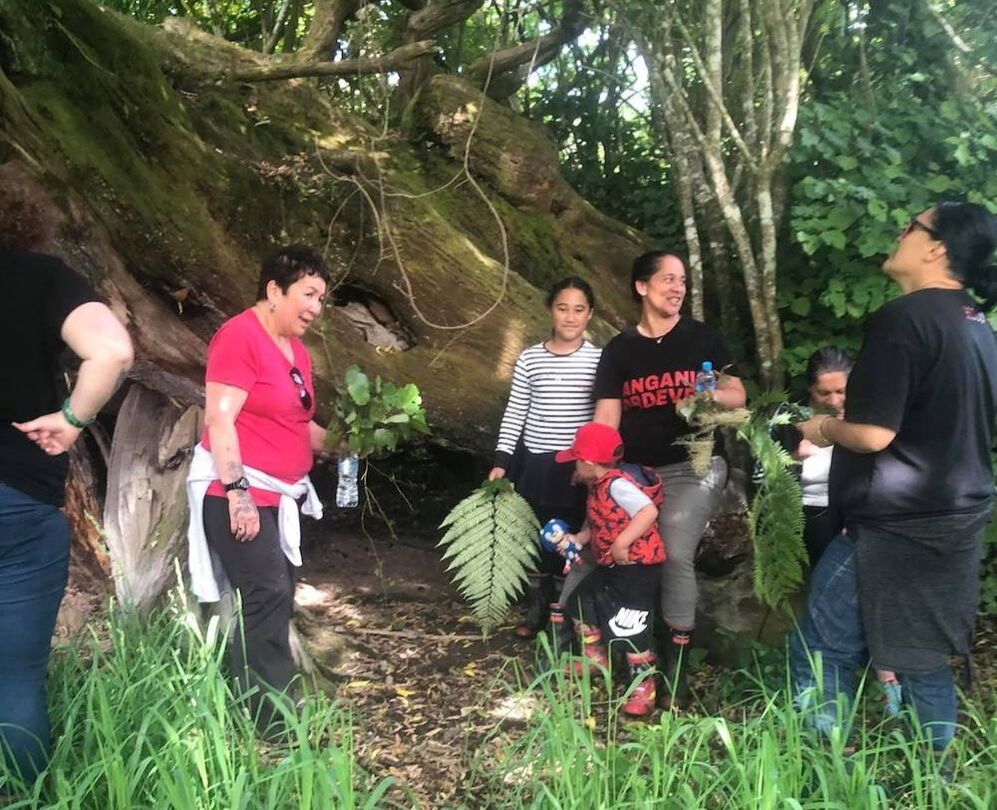
Two tiaki Whakapapa wānanga were held at their hapū marae. The wānanga spanned two weekends and kaupapa included suicide prevention training, learning to utilise Maramataka Māori (Māori calendar), learning about the origins of their whakapapa, connecting with the environment through learning about rongoā, and learning waiata and haka as a means of releasing emotion and healing the mind, body and soul. 


As an outcome of the wānanga they developed an action plan for how to move forward and better support each other.
Supporting health and wellbeing in mana wahine wananga

Discover more

Our work targeting suicide prevention is part of our wider Community Outreach programme, which includes Māori youth development and health and wellbeing initiatives. You can learn more about this work via the button below or by reaching out to us from our Contact page.
Learn more
Picture

Home

Community outreach

Kahukura

Section 27 reports

Research and resources

Media

Contact

Picture
Picture
Picture
Like us on Facebook
Send us a message
+64 274 336 217