• Home
  • Our work
    • Our Framework
    • Community initiatives >
      • Health and wellbeing
      • Youth development
      • Māori suicide prevention
    • Drug and alcohol assessments
    • Book a historical walkthrough on Gangs
    • Kahukura
    • s27 cultural reports
    • Research and other resources
  • Team
  • News
    • In the media
    • Blogs and press releases
  • Contact
  • Home
  • Our work
    • Our Framework
    • Community initiatives >
      • Health and wellbeing
      • Youth development
      • Māori suicide prevention
    • Drug and alcohol assessments
    • Book a historical walkthrough on Gangs
    • Kahukura
    • s27 cultural reports
    • Research and other resources
  • Team
  • News
    • In the media
    • Blogs and press releases
  • Contact
H2R
  • Home
  • Our work
    • Our Framework
    • Community initiatives >
      • Health and wellbeing
      • Youth development
      • Māori suicide prevention
    • Drug and alcohol assessments
    • Book a historical walkthrough on Gangs
    • Kahukura
    • s27 cultural reports
    • Research and other resources
  • Team
  • News
    • In the media
    • Blogs and press releases
  • Contact

Health and wellbeing initiatives


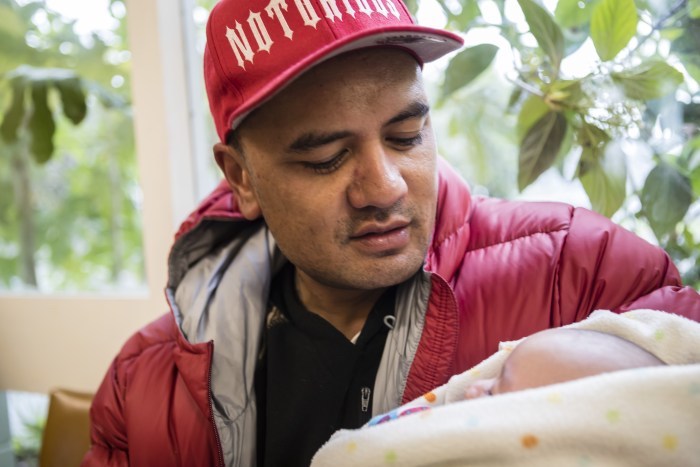
Notorious gang member holding a baby
Image credit - Aaron Smale

Māori health: a shared vision

We support hard to reach community leaders across Aotearoa New Zealand develop a shared vision for a different and healthier future for themselves, their children and mokopuna.

Our work in this area crosses several areas of health and wellbeing. We have supported the development of 
hard to reach health champions, and helped them design, develop and deliver targeted health initiatives and services for their community.

Some of these health and wellbeing initiatives in hard to reach Māori communities have included:
  • Addiction and suicide prevention programmes (learn more about this here);
  • Educational sessions on topics including diabetes, heart attacks, stroke, child development and bowel cancer;
  • Traditional Māori healing practices of rongoā, romiromi and mirimiri;
  • Recognising the signs of depression and anxiety and building skills to support whānau;
  • Understanding of the importance of whakapapa and tikanga Māori as a source of strength and resilience;
  • Infant and child safety including co-sleeping and SIDS;
  • Physical health checks including programmes about the benefits of regular exercise and healthy eating;
  • Covid-19 and flu vaccinations (more on this below);
  • First Aid training to increase community capacity to respond to and manage emergency situations.​

Covid-19 support for Māori communities

Hard to reach Māori communities were disproportionately affected by aspects of the Covid-19 pandemic. Research in Aotearoa New Zealand has shown that when information about lockdowns, RAT testing and vaccinations were released across the country, it amplified pre-existing challenges across healthcare services for people who already experience disadvantage, including whānau who live rurally or with a lived experience of distress or addiction.

From early 2020 until today, we have been working with 
hard to reach communities to provide public health information, develop and drive vaccination events, and support good physical and mental health through improved connection.

With the support of Government funding, our early initiatives included Covid-19 information sessions. We encouraged whānau to stay at home during the lockdown periods, supported them identify and care for others in need, and aimed to prevent the spread of misinformation.

Our initiatives also included:
  • liaising between health services and hard to reach communities to ensure they had good access to health services during the Delta outbreak in Auckland
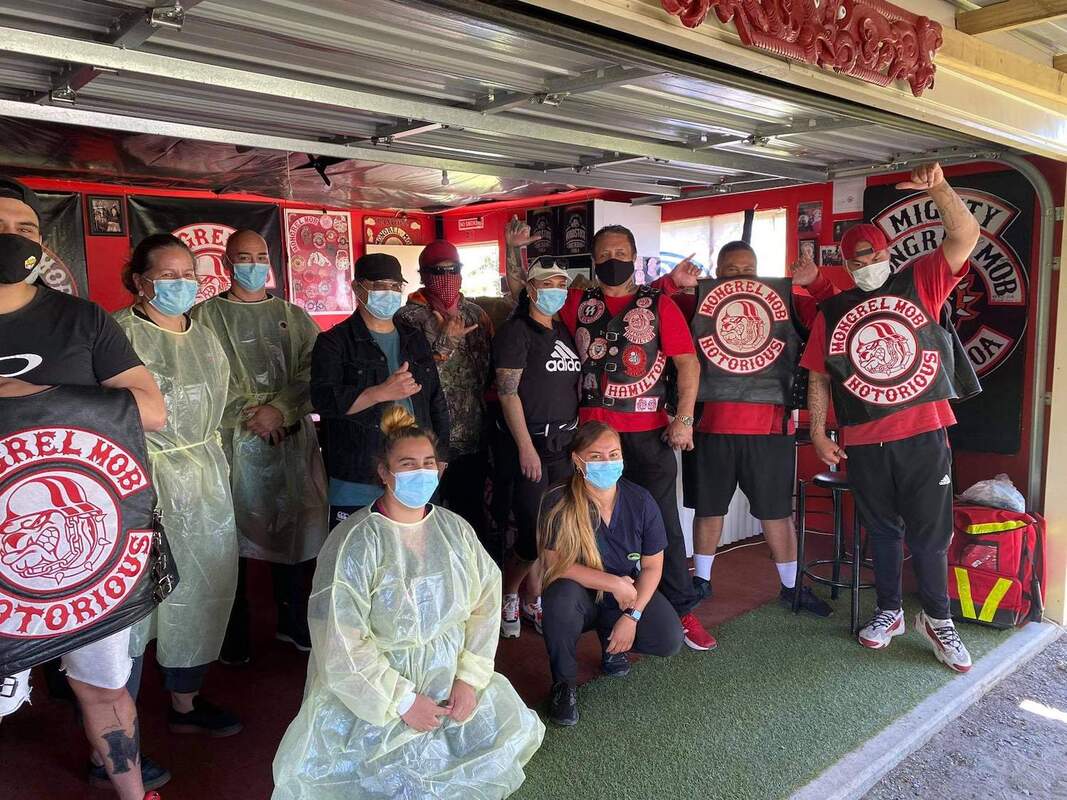
  • facilitating contact tracing and covid testing with various gang communities in Auckland and Hamilton during the Delta lockdown
  • facilitating support for gang whanau that tested covid positive 
  • developing and implementing a strategic approach for the Ministry of Health to vaccinate gang communities throughout New Zealand (more on that below).

We also delivered other initiatives which included providing:
  • Access to internet data to ensure whānau were able to keep connected, informed, and able to access support during the pandemic
  • Phone credit to keep inmates and whānau connected while prison visits had been suspended, helping to minimise undue anxiety and stress to the inmates and family. 

Hard to reach leaders provided critical input identifying whānau who would be assisted through these initiatives. In some cases they also identified their own targeted initiatives that met the needs of their local communities, including the provision of meat and warm clothing, access to water, petrol for generators, and wood for heating.
Picture

Covid-19 vaccinations for gang whānau

We worked together with the Ministry of Health and gang leaders to connect families within their community with health officials and to develop vaccination events. ​

This work is ongoing and includes:
  • Encouraging Covid-19 vaccinations amongst children and adults in the gang community, including through Whānau Ora events
  • Supporting the use of RAT tests, including providing guidance on how and when to test
  • Putting whānau isolation plans and support systems in place
  • Offering door to door support for whānau with their manaaki needs when they were testing positive with COVID-19 or are isolating.​
​Our work in this area gained worldwide recognition and was reported by international news agencies including The Guardian and The New York Times. Here is a quote from the latter:
​"In the past week, Mr. Tam has traveled almost the length of the country organizing pop-up vaccination events for members and their communities, as well as coordinating with other chapter leaders to get their members vaccinated, he said.

It was difficult work that put him at personal risk, he said, and that invited intense skepticism from people who thought of gangs only as violent or connected to organized crime.

“Why do we bother?” Mr. Tam said. “We bother because we care about those people that others don’t care about, as simple as that. They can talk about my gang affiliation, all the rest of it. But it’s that affiliation that allows me to have that penetration, that foot in the door. I can do the stuff that they can’t do.”
With the risk of pandemics likely to increase in the future, it is vital that hard to reach communities are not overlooked or miss out on the emergency responses that follow. As such, the work that we are doing now is not only important for the health and wellbeing of hard to reach whānau today, but also to enable better outcomes for vulnerable communities in future crisis communication and support.​

Discover more

Our work targeting Māori health and wellbeing is part of our wider Community Outreach programme, which includes suicide prevention, addiction, and youth development programmes. You can learn more about this work via the button below or by reaching out to us from our Contact page.
discover more
Picture

Home

Community outreach

Kahukura

Section 27 reports

Research and resources

Media

Contact

Picture
Picture
Picture
Like us on Facebook
Send us a message
+64 274 336 217